
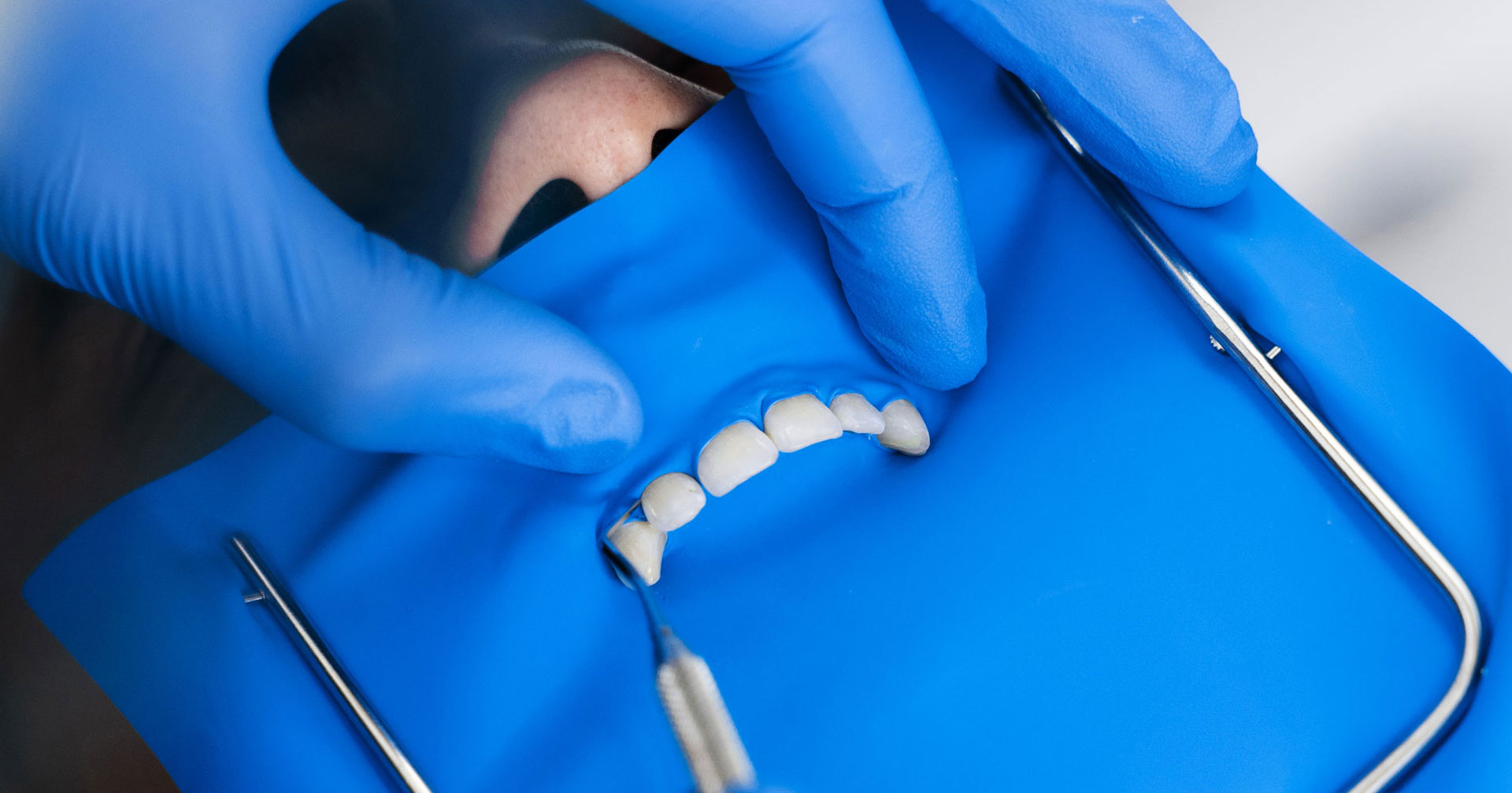
Restorative dentistry focuses on the treatment and repair of hard tissue loss caused by dental caries or other non-carious factors affecting the teeth. The primary goal is to restore both the aesthetic appearance and functional integrity of the dentition, allowing patients to regain optimal oral health and comfort.
When naturally occurring oral bacteria interact with dietary sugars and carbohydrates, acids are produced within the mouth. If these acids are not effectively removed through proper oral hygiene practices, they can damage the tooth enamel and lead to dental decay. Cavities, fractures, and cracks caused by this process can be repaired using a variety of restorative materials while preserving as much healthy tooth structure as possible.
The choice of restorative treatment depends on several factors, including the location and extent of the cavity, as well as the patient’s oral hygiene status. A range of restorative materials is available, including gold, porcelain, and tooth-colored composite restorations.
Deep decay, fractures, or cracks may result in inflammation or infection of the dental pulp within the root canal system. In such cases, endodontic treatment becomes necessary. Dental trauma may also lead to the need for root canal therapy. If pulp inflammation or infection is left untreated, pain, swelling, and abscess formation may occur over time.
The purpose of root canal treatment is to remove infected soft and hard tissue remnants from within the tooth, thoroughly disinfect the root canal system, and seal the canals with specialized filling materials to prevent reinfection.
In cases where there is no infection at the root apex, root canal treatment can often be completed in a single appointment. When infection is present or the tooth has lost its vitality, a medicated dressing may be placed within the canals and left for approximately one week. In more persistent cases, this procedure may be repeated over several weeks. Once all signs of infection have resolved, the canals are hermetically sealed and the treatment is completed.
The success of root canal treatment varies depending on the individual case, tooth condition, and treatment complexity. However, when performed according to established clinical protocols, success rates of approximately 95% can be achieved. In cases where treatment is unsuccessful, alternative options such as root canal retreatment or apical surgery may be considered.
