
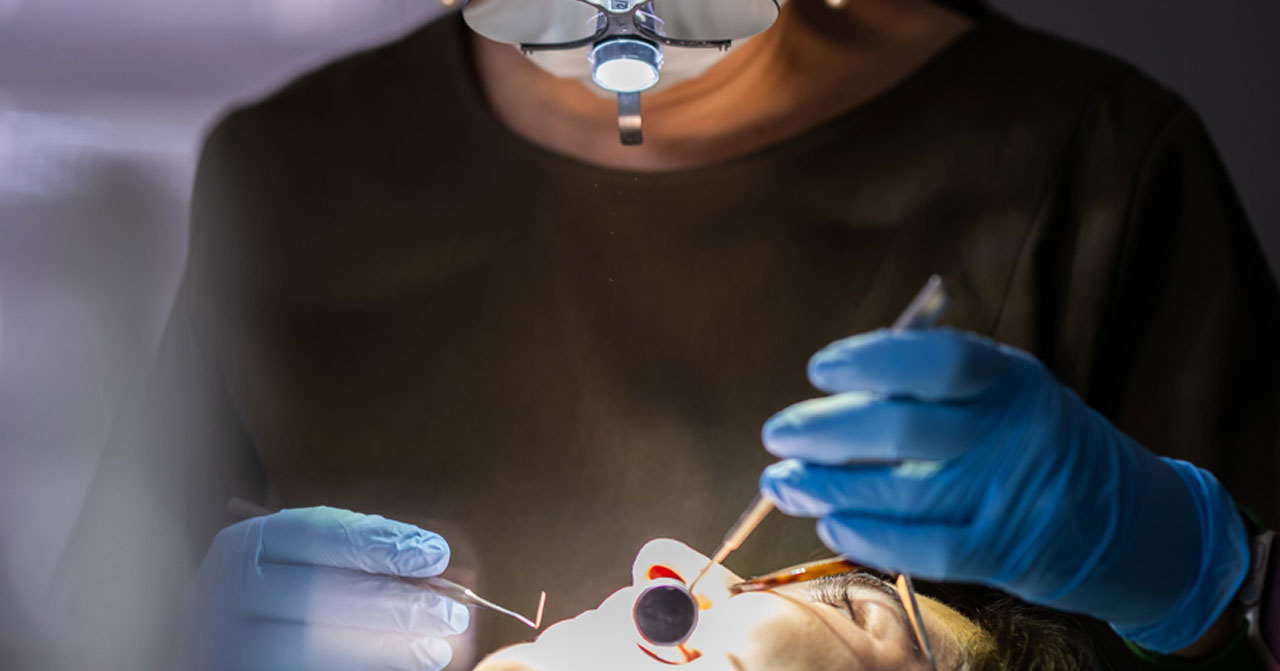
Dental implants are titanium fixtures that are placed in the jawbone to replace the roots of missing teeth, providing retention and support for both fixed and removable prosthetic restorations. Whether replacing a single missing tooth, multiple missing teeth, or addressing complete tooth loss, dental implant treatment offers one of the closest alternatives to natural teeth in terms of function, aesthetics, speech, and overall patient confidence.
Implants are placed into the jawbone through a minor surgical procedure performed by experienced dental professionals under sterile conditions. Following placement, a healing period of approximately two to three months is typically required for the implant to fully integrate with the surrounding bone through a process known as osseointegration. Once this integration is complete, the implant functions as an artificial tooth root capable of supporting the final prosthetic restoration.
Dental implants have a documented success rate of approximately 95–98%. Achieving long-term success depends on careful treatment planning, adherence to appropriate surgical protocols, the selection of high-quality materials, the fabrication of properly designed prosthetic restorations, and regular follow-up examinations.
Following the completion of implant-supported prosthetic treatment, patients should maintain excellent oral hygiene and attend routine dental check-ups, typically every six months, to ensure the long-term health, stability, and function of their implants.
