
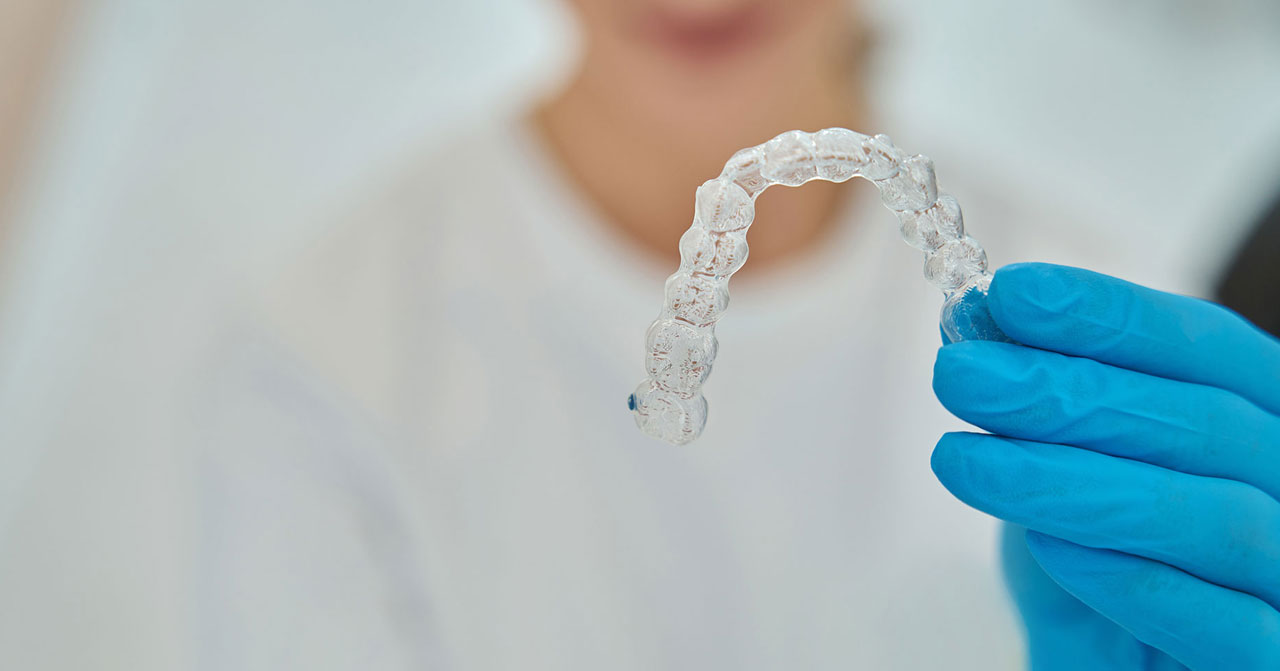
Bruxism is a condition characterized by the involuntary clenching or grinding of the teeth, which can cause damage to both the teeth and the temporomandibular joint (TMJ). It is commonly associated with stress, sleep disturbances, or functional problems involving the jaw and bite. Over time, bruxism may lead to excessive tooth wear, jaw discomfort, headaches, and pain affecting the neck and facial muscles. While bruxism itself cannot always be completely eliminated, its harmful effects can be effectively managed and controlled. The primary goal of treatment is to protect the teeth, reduce symptoms, and prevent further damage to the oral and musculoskeletal structures.
Treatment is individually planned according to the patient's habits, symptoms, and clinical findings. One of the most commonly used treatment approaches is the use of a stabilization splint (occlusal splint), which helps protect the teeth from excessive forces while promoting relaxation of the jaw muscles. When necessary, treatment may be supplemented with additional therapeutic approaches to address contributing factors and improve long-term outcomes. Through a personalized and comprehensive treatment plan, the aim is both to alleviate existing symptoms and to maintain long-term oral health and functional stability.
